

Exploratory research design aims to explore a research problem that is not clearly defined. The purpose of exploratory research is to gain insights, identify patterns, and develop a better understanding of the phenomenon under investigation rather than to provide final and conclusive answers. Exploratory studies are typically conducted at the early stages of research when limited information is available about the research topic. On this page: Meaning of exploratory research Key characteristics Exploratory research methods Differences between exploratory and conclusive research Advantages and disadvantages of exploratory research Feature Exploratory Research Conclusive Research Purpose Explore a problem and generate insights Provide final answers and support decision-making Structure Flexible and open-ended Structured and systematic Hypotheses Usually not formulated Often tested Sample size Small Large Data analysis Qualitative and interpretive Quantitative and statistical Outcome Preliminary insights Definitive conclusions Differences between exploratory and conclusive research Meaning of Exploratory Research Exploratory research, as the name implies, intends merely to explore the research questions and does not intend to offer final and conclusive solutions to existing problems. This type of research is usually conducted to study a problem that has not been clearly defined yet. Conducted in order to determine the nature of the problem, exploratory research is not intended to provide conclusive evidence, but helps us to have a better understanding of the problem. When conducting exploratory research, the researcher ought to be willing to change his/her direction as a result of revelation of new data and new insights.[1] Accordingly, exploratory studies are often conducted using interpretive research methods and they answer to questions such as what, why and how. Exploratory research design does not aim to provide the final and conclusive answers to the research questions, but merely explores the research topic with varying levels of depth. It has been noted that “exploratory…
Applied research is a type of research that focuses on solving specific, real-world problems faced by organisations or society. It uses existing theories and methods to generate practical solutions and actionable recommendations. On this page: What is Applied Research? Key Characteristics of Applied Research Types of Applied Research Applied Research vs Fundamental Research Examples in Business Studies Advantages and Disadvantages When to Use Applied Research Feature Applied Research Fundamental Research Main objective Solve specific real-world problems Develop general theories and knowledge Focus Practical application Theoretical understanding Context Often conducted within organizations Usually conducted in academic environments Outcomes Practical recommendations Conceptual or theoretical contributions Time horizon Short- to medium-term solutions Long-term knowledge development Applied vs fundamental research at a glance Applied research means: Identifying a real problem Analysing it using research methods Providing practical solutions It answers the question:“How can this problem be solved in practice?” What is Applied Research? Applied research “aims at finding a solution for an immediate problem facing a society, or an industrial/business organisation, whereas fundamental research is mainly concerned with generalisations and with the formulation of a theory”[1]. Applied research is considered to be non-systematic inquiry and it is usually launched by a company, agency or an individual in order to address a specific problem.[2] This type of research in a business dissertation plays a crucial role in bridging the gap between academic theory and practical application. It aims to address real-world business challenges and provide solutions that can be implemented in organizations. Key Characteristics of Applied Research Applied research has the following key characteristics: Focus on a specific problem or issue. This type of research typically focuses on a specific problem or issue faced by businesses. This could be anything from improving marketing strategies to increasing employee satisfaction. Practical relevance. The research findings must be relevant and…
Research design refers to the overall plan or framework that guides how a study is conducted. It specifies how data will be collected, analysed, and interpreted in order to answer research questions in a logical and valid way. On this page: What is Research Design? Research Design vs Research Approach vs Methods Types of Research Design When to Use Different Research Designs Aspect Exploratory Research Conclusive Research Purpose Generate insights Test and verify findings Data needs Vague Clearly defined Structure Flexible Structured Methods Qualitative Quantitative (often) Findings Tentative Final and actionable Conclusive vs exploratory research design What is Research Design? Same as research approach, different textbooks place different meanings on research design. Some authors consider research design as the choice between qualitative and quantitative research methods. Others argue that research design refers to the choice of specific methods of data collection and analysis. Research design is also placed as a master plan for conducting a research project and this appears to be the most authentic explanation of the term. In your dissertation you can define research design as a general plan about what you will do to answer the research question.[1] It is a framework for choosing specific methods of data collection and data analysis. Design of a study outlines how you will address your research question, collect data, analyze that data, and ultimately answer your question in a meaningful and valid way. Still unsure about the correct research design for your dissertation? Get a clear, justified methodology for your research topic in minutes See how it works Research Design vs Research Approach vs Methods Research design should not be confused with research approach or research methods, although these concepts are closely related. Research approach refers to the logic of the study (deductive, inductive, or abductive), whereas…
Constructivism research philosophy argues that reality and knowledge are socially constructed through human experiences, interactions, and interpretations. According to constructivism, there is no single objective truth because people understand the world differently based on their social and cultural experiences. On this page: What is Constructivism? Key Principles of Constructivism Types of Constructivism Constructivism in Business Research Advantages and Limitations Constructivism in the Age of AI and Digital Research Feature Constructivism Positivism Pragmatism View of reality Multiple subjective realities Single objective reality Practical and flexible reality Main focus Meanings and experiences Facts and measurement Problem-solving Typical methods Qualitative Quantitative Mixed methods Researcher role Part of the research process Independent observer Flexible role Data type Words, experiences, interpretations Numerical data Both qualitative and quantitative Research philosophies (comparison table) What is Constructivism? “Constructivism is the recognition that reality is a product of human intelligence interacting with experience in the real world. As soon as you include human mental activity in the process of knowing reality, you have accepted constructivism” Davis Elkind Constructivism accepts reality as a construct of human mind, therefore reality is perceived to be subjective. Moreover, this philosophical approach is closely associated with pragmatism and relativism. In simple terms, according to constructivism, all knowledge is constructed from human experience. This viewpoint is based on inseparability between knowledge and knower. Constructivism philosophy is based on cognitive psychology and its background relates to Socratic method, ancient Greece. Nevertheless, popularity of constructivism as a perspective in epistemology increased in recent years. Not sure if constructivism is the right choice for your dissertation? Get a clear, justified methodology for your research topic in minutes Learn More About the Tool Constructivist research places strong emphasis on the context in which social phenomena occur. Researchers adopting this philosophical perspective recognize that organizational practices, managerial decisions, and…
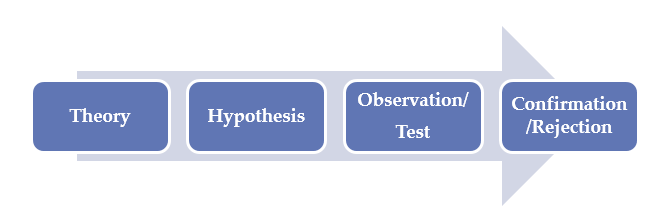
Research approach refers to the general plan and procedure used to conduct a study. It describes the logical direction that the research follows in order to answer the research question or test hypotheses. In business and management studies, research approaches are commonly classified into deductive, inductive, and abductive approaches, depending on whether the study aims to test existing theories, generate new theories, or explain unexpected observations. On this page: • Meaning of research approach• Deductive research approach• Inductive research approach• Abductive research approach• Choosing the right research approach The following table illustrates the comparison of research approaches: Feature Deductive Approach Inductive Approach Abductive Approach Starting point Existing theory or hypothesis Observations or data Surprising observation or puzzle Main objective Test theory or hypotheses Develop new theory Explain unexpected findings Direction of reasoning General → specific Specific → general Interaction between theory and data Use of data Used to test hypotheses Used to identify patterns and generate theory Used to explore phenomena and refine explanations Typical research methods Often quantitative Often qualitative Combination of qualitative and quantitative Meaning of Research Approach In the field of science different researchers may assign different meanings for the team research approach. In some publications you may see that research approach may imply methods of data collection and data analysis in general and differences between qualitative and quantitative methods in particular. However, in our view research approach is best seen as a general plan and procedure for conducting the study. Accordingly, approach for the research can be divided into three categories: Deductive approach Inductive approach Abductive approach The relevance of hypotheses to the study is the main distinctive point between deductive and inductive approaches. Deductive approach tests the validity of assumptions (or theories/hypotheses) in hand, whereas inductive approach contributes to the emergence of new theories…
Business research methods can be defined as “a systematic and scientific procedure of data collection, compilation, analysis, interpretation, and implication pertaining to any business problem”[1]. Types of research methods can be classified into several categories according to nature and purpose of the study, methods of data collection, type of data, research design and other attributes. In methodology chapter of your dissertation, you need to specify and discuss the type of your research according to classifications illustrated in the following Table 1. Classification criterion Main types Nature of the study Descriptive research, Analytical research Purpose of the study Fundamental research, Applied research Methods of data collection Qualitative research, Quantitative research Type of data Primary research, Secondary research Research design Exploratory research, Conclusive research Time dimension of the study Cross-sectional research, Longitudinal research Table 1. Main Classifications of Research Methods in Business Studies Now, let’s look at each classification criterion and types individually. Types of Research Methods According to Nature of the Study Types of the research methods according to the nature of research can be divided into two groups: descriptive and analytical. Descriptive research usually involves surveys and studies that aim to identify the facts. In other words, descriptive research mainly deals with the “description of the state of affairs as it is at present”[2], and there is no control over variables in descriptive research. Analytical research, on the other hand, is fundamentally different in a way that “the researcher has to use facts or information already available and analyse these in order to make a critical evaluation of the material”.[3] Not sure the right research methodology for your dissertation? Get a clear, justified methodology for your research topic in minutes Learn More About the Tool Types of Research Methods According to the Purpose of the Study According to the…
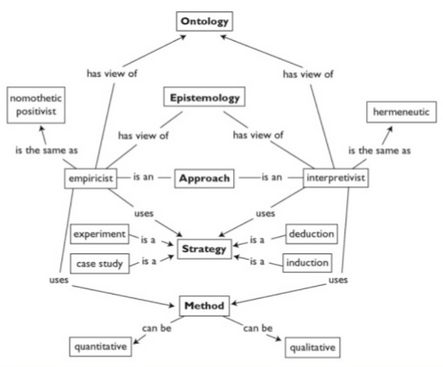
Ontology in research refers to the study of the nature of reality — what exists and how it exists. In business research, ontology determines whether reality is viewed as objective and independent of individuals, or as subjective and constructed through human perceptions and interactions. On this page: What is Ontology? Ontology in Business Studies Ontological Position View of Reality Key Idea Objectivism Reality is objective and independent Reality exists regardless of human perception Subjectivism (Constructivism) Reality is subjective and socially constructed Reality is created through human interaction Pragmatism Reality is practical and context-dependent Choose the view that best answers the research question Table 1. Ontology at a glance What is Ontology? Ontology and epistemology are two different ways of viewing the research philosophy. Ontology in business research can be defined as “the science or study of being”[1] and it deals with the nature of reality. Ontology is a system of belief that reflects an interpretation of an individual about what constitutes a fact. In simple terms, ontology is associated with what we consider as reality. Still unsure about ontological position of your research? Get a clear, justified methodology for your research topic in minutes See how it works Table 2 below illustrates main questions that key philosophical concepts attempt to answer: Philosophical concept Main question Ontology What is the nature of reality? Epistemology What can be accepted as knowledge? Methodology How knowledge regarding given question can be produced? Methods What specific ways of data collection and data analysis can be used? Paradigm What are the conceptual and/or methodological models that relate to a specific discipline during a particular period of time? Table 2 Key philosophical concepts and questions Ontology relates to a central question of whether social entities need to be perceived as objective or subjective.…

Phenomenology in business research focuses on experiences, events and occurrences with disregard or minimum regard for the external and physical reality. Phenomenology, also known as non-positivism, is a variation of interpretivism, along with other variations such as hermeneutics, symbolic interactionism and others. In simple terms, phenomenology can be explained as the science of mindful experience. It focuses on meanings of phenomena. This branch of philosophy “describes the philosophical approach that what is directly perceived and felt is considered more reliable than explanations or interpretations in communication”.[1] In phenomenology ideas are generated from rich amount of data by the means of induction and human interests, as well as stakeholder perspective may have their reflection on the study. Moreover, phenomenology in business studies is a valuable philosophy for exploring human experiences in management studies. The primary objective of phenomenological research is to understand how individuals experience and interpret a particular phenomenon. Instead of measuring variables or identifying causal relationships, phenomenological studies attempt to capture the essence of lived experiences. Researchers therefore aim to describe how participants perceive, feel, and make sense of events or situations within their social or organizational context. This approach allows researchers to gain deeper insights into complex human experiences that cannot easily be quantified. Phenomenological research is closely associated with qualitative research methods. In business and management studies, data for phenomenological research are often collected through in-depth interviews, focus groups, participant observations, and reflective diaries. These methods enable researchers to gather rich and detailed descriptions of participants’ experiences. The emphasis is placed on understanding meanings rather than measuring frequencies or statistical relationships. A study analysing the impact of leadership style on employee motivation through conducting in-depth interviews with employees is a suitable example for research with a phenomenology philosophy. Furthermore, a study into work-life balance and its impact on employee performance is another…
Positivism is a research philosophy that assumes knowledge should be based on observable, measurable facts and that reality is objective and independent of the researcher. It focuses on testing hypotheses, identifying causal relationships, and producing generalisable findings through quantitative methods. On this page: What is Positivism? Main Principles Science as a Basis for Positivism Differences between Positivism and Interpretivism Positivism in the Age of AI and Digital Research Advantages and Limitations When to Use Positivism Aspect Positivism Interpretivism Nature of reality Objective and single Subjective and multiple Main goal Explanation and prediction Understanding meanings Type of data Quantitative Qualitative Researcher role Independent and detached Interactive and involved Main outcome Generalisable findings Context-specific insights Table 1. Positivism vs. Interpretivism (comparison table) What is Positivism? It has to be acknowledged that it is difficult to explain positivism research philosophy in a precise and succinct manner. This is because there are vast differences between settings in which positivism is used by researchers. The number variations in explaining positivism may be equal to the number of authors who addressed the area of research philosophy. Positivism has its roots in the works of nineteenth-century philosophers such as Auguste Comte, who argued that scientific knowledge should be based on observable and measurable facts rather than metaphysical speculation. Comte believed that social sciences should adopt the same rigorous methods used in natural sciences in order to identify patterns and causal relationships in social phenomena. Later scholars expanded these ideas and applied positivist principles to disciplines such as economics, sociology, and management studies. Nevertheless, in its essence, positivism is based on the idea that science is the only way to learn about the truth. The text below explains positivism research philosophy with the focus on business studies in particular. As a philosophy, positivism adheres to the view…
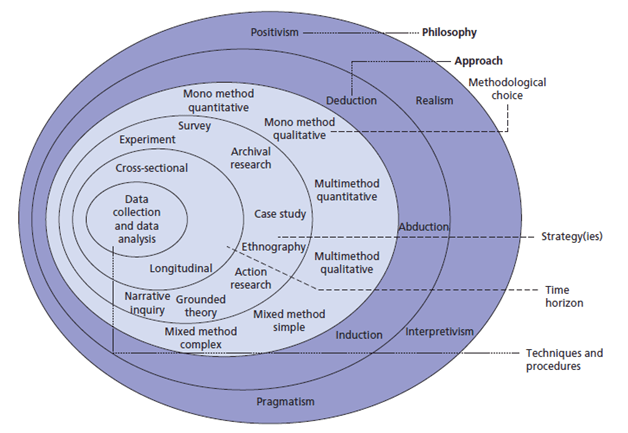
Research philosophy refers to the set of beliefs and assumptions about how knowledge is created, what is valid knowledge, and how research should be done. It guides the choice of research methods, data collection, and analysis by defining how a researcher understands reality and knowledge. On this page: What is Research Philosophy? Why it Research Philoshophy Matters? The Choice of Research Philosophy Research Philosophy in the Age of AI and Digital Research How to use Research Philosophy Philosophy Main Focus Data Type Typical Methods Positivism Objective facts and causality Quantitative Surveys, experiments, statistical analysis Interpretivism Meanings and experiences Qualitative Interviews, observations Realism Objective reality with interpretation Mixed Qualitative and quantitative Pragmatism Practical solutions Mixed Flexible mixed methods Main research philosophies (comparison table) What is Research Philosophy? Many students initially find research philosophy difficult to understand because it deals with abstract concepts about knowledge and reality. However, it is not necessary to become a philosopher in order to apply philosophical ideas in research. The key objective is simply to understand the basic assumptions underlying the research approach and to demonstrate that the chosen methodology is logically consistent with those assumptions. Research philosophy is a vast topic and here we will not be discussing this topic in great details. Research philosophy is associated with assumption, knowledge and nature of the study. It deals with the specific way of developing knowledge. This matter needs to be addressed because researchers may have different assumptions about the nature of truth and knowledge and philosophy helps us to understand their assumptions. In business and economics dissertations at Bachelor’s level, you are not expected to discuss this topic in a great level of depth, and about one page in methodology chapter devoted to research philosophy usually suffices. For a business dissertation at Master’s level, on the…