
Pragmatism Research Philosophy
Pragmatism research philosophy accepts concepts to be relevant only if they support action. Pragmatics “recognise that there are many different ways of interpreting the world and undertaking research, that no single point of view can ever give the entire picture and that there may be multiple realities”[1]
Pragmatism is a philosophical approach that emphasizes the practical consequences of ideas. In the context of research, it suggests that the best research methods are those that are most useful and effective in solving particular research problems. Pragmatic researchers are flexible and open to using a variety of methods, both quantitative and qualitative, depending on the specifics of the research question.
The following are core tenets of pragmatism research philosophy:
1. Practicality. Pragmatism emphasizes the practical consequences of ideas and actions. In research, this means that pragmatic researchers are concerned with conducting research that is useful and can be applied to solve real-world problems.
2. Flexibility. It is a flexible approach to research that does not adhere to a single set of methods. Pragmatic researchers are willing to use a variety of methods, both quantitative and qualitative, depending on the specifics of the research question.
3. Context. It also emphasizes the importance of context in research. This means that pragmatic researchers consider the specific circumstances of the research problem when choosing methods and interpreting results.
4. Process. Pragmatism views research as an ongoing process of inquiry. This means that pragmatic researchers are open to modifying their research methods and interpretations as they gather more data and insights.
Positivism and interpretivism are two extreme mutually exclusive paradigms about the nature and sources of knowledge. Many dissertation topics fall broadly within one of these two main paradigms. At the same time, there is an occasional need for seasoned researchers to “modify their philosophical assumptions over time and move to a new position on the continuum”.[2] The modified philosophical assumptions are adapted by pragmatic researchers, who usually happen to be experienced researchers.
According to pragmatism research philosophy, research question is the most important determinant of the research philosophy. Pragmatics can combine both, positivist and interpretivism positions within the scope of a single research according to the nature of the research question.
As it is illustrated in the table below, unlike positivism and interpretivism research philosophies, pragmatism research philosophy can integrate more than one research approaches and research strategies within the same study. Moreover, studies with pragmatism research philosophy can integrate the use of multiple research methods such as qualitative, quantitative and action research methods.
| Research approach | Ontology | Axiology | Research strategy | |
| Positivism | Deductive | Objective | Value-free | Quantitative |
| Interpretivism | Inductive | Subjective | Biased | Qualitative |
| Pragmatism | Deductive/Inductive | Objective or subjective | Value-free/biased | Qualitative and/or quantitative |
Positivism, interpretivism and epistemologies[3]
Pragmatist management researchers can be compared to architects. In the same way architects use whatever materials and methods needed to build the building they schemed in paper, pragmatists use whatever combination of methods necessary to find answers to research questions. At the same time, it has to be noted that pragmatists do not have to use multiple methods; rather they use method or combination of methods that advances a specific research in the best possible manner.
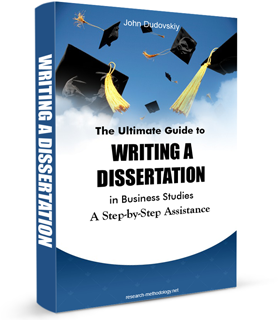
My e-book, The Ultimate Guide to Writing a Dissertation in Business Studies: a step by step assistance contains discussions of theory and application of research philosophy. The e-book also explains all stages of the research process starting from the selection of the research area to writing personal reflection. Important elements of dissertations such as research philosophy, research approach, research design, methods of data collection and data analysis are explained in this e-book in simple words.
Preparing to Defend Your Methodology?
Understanding research design is one thing. Defending it under examination is another.
If you would like structured guidance on how to justify your methodological choices, respond to challenging viva questions, address limitations confidently, and navigate academic integrity in the AI era, you may find the following resource helpful:
This downloadable manual in PDF format provides a structured system for aligning your research design, strengthening your justifications, and preparing for defense scenarios with clarity and confidence.

[1] Saunders, M., Lewis, P. & Thornhill, A. (2012) “Research Methods for Business Students” 6th edition, Pearson Education Limited
[2] Collis, J. & Hussey, R. (2014) “Business Research: A Practical Guide for Undergraduate and Postgraduate Students” 4th edition, Palgrave Macmillan, p.54
[3] Source: Wilson, J. (2010) “Essentials of Business Research: A Guide to Doing Your Research Project” SAGE Publications
John Dudovskiy