
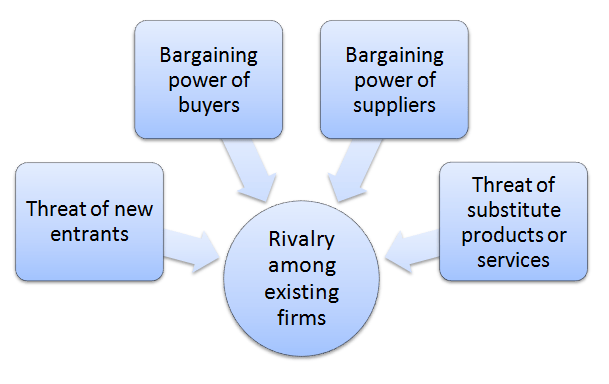
The analytical framework of Porter’s Five Forces developed by Michael Porter (1979)[1] explains five separate forces that shape the overall extent of competition in the industry. These forces are represented in Figure 1 below: Figure 1. Hilton Porter’s Five Forces Rivalry among existing firms in premium segment hotel industry is fierce. Hilton Hotels and Resorts competes with Marriott, Sheraton, Hyatt Regency, Radisson Blu, Renaissance, Westin, Sofitel and other premium segment hotel chains in the global marketplace. As a result of massive investments into various aspects of the service provision during the past few years, Hilton enjoyed greater income growths compared to the competition. Specifically, as it is illustrated in Figure 2 below, Hilton Worldwide Holdings Inc. Net Income in the 1 quarter 2016 grew year on year by 106.67 %, faster than average growth of its competitors. Figure 2. Income growth differences between Hilton Worldwide and its competitors[1] Bargaining power of Hilton suppliers is low. Hilton Worldwide purchases from more than 4000 suppliers globally [2] and the bargaining power of most suppliers is low due to the lack of uniqueness of products and services supplied. Moreover, the importance of order volume for Hilton suppliers is paramount and there is no supplier switching costs for Hilton on most cases. Hilton runs Supplier Diversity Program that ensures purchasing from, and the development of, socially diverse suppliers. Accordingly, the program provides an additional competitive ground for socially diverse suppliers compared to other supplier groups. Threat of substitute products or services in hotel industry is not significant. Direct substitutes for staying in Hilton hotels includes people staying in the homes of friends and relatives and people renting apartments for short periods of time. However, arrangement of these options can be time-consuming and associated with a great deal of hassle. Hotel industry is also faced with…
Hilton marketing communication mix integrates print and media advertising, sales promotions, events and experiences, public relations and direct marketing as discussed below in more details. Advertising Hilton engages in print and media advertising to communicate its marketing message to the target customer segment. Hilton marketing message stresses the highest standard of service provision, a high level of integration of information technology in order to maximise service personalization and the perception of status, achievement and recognition. This marketing message is communicated through a set of specific elements of advertising promotional strategy such as advertisements in newspapers and magazines popular with senior level management professionals such as Forbes, Fortune, The Economist, and Financial Times. Moreover, the communication of Hilton Hotels & Resorts marketing message is also facilitated through broadcast advertisements in selected television channels. ‘Stop Clicking Around’ is one of the recent large-scale marketing campaigns that “challenges the common misconception that third-party Web sites always offer the best prices on hotel rooms”[1]. Sales Promotion Sales promotion relates to attempts by a business to persuade potential customers to purchase products or services through introducing various incentives. Sales promotion is popular in hotel industry and this specific element of promotion mix is used by Hilton Hotels & Resorts in an intensive manner. Specifically, Hilton uses the following forms of sales promotions: HHonors loyalty programs offer discounted prices, digital check-in, free internet access, late check-out and others. Currently, there are more than 50 million Hilton HHonors members worldwide.[2] Discount vouchers are available in official website of the company and a wide range of discount websites. Hilton Hotels & Resorts gains practical advantages from using sales promotion in the forms of increasing the level of revenues and achieving utilisation of their rooms at a greater extend. However, it is important to note that by introducing…
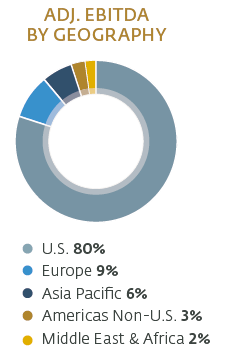
SWOT is an acronym that stands for strengths, weaknesses, opportunities and threats related to businesses. The following table illustrates Hilton SWOT analysis Strengths 1. Extensive experience and a vast scope of the business 2. Effective customer retention schemes 3. strong property portfolio 4. Strong and effective leadership by Christopher Nassetta 5. A high level of service customatisation achieved via technological integration Weaknesses 1. Overdependence on the US market 2. High levels of debts 3. Little global market share, despite the large portfolio of brands 4. Lack of flexibility due to its large size Opportunities 1. Further International market expansion 2. Formation of strategic alliances 3. Focusing on research and development 4. Establishing presence in the mid-level budget hotel sector Threats 1. Threat of terrorism and political instability 2. Adverse changes in macroeconomic climate 3. Ethics-related issuesin Hilton hotels 4. Loss of key talent and key personnel Hilton SWOT analysis Strengths 1. Hilton Worldwide comprises 13 brands including well-known brands such as Hilton Hotels and Resorts, Waldorf Astoria, Conrad, Double Tree, Embassy Suites and others. Hilton Worldwide served more than 140 million guests in more than 100 countries and territories in 2015 alone.[1] Due to the large scope of its business operations, the company benefits from the economies of scale to a considerable extent, creating the potential for further growth of the business. 2. Hilton offers one of the best customer loyalty schemes in the industry represented by Hilton HHonors program. Wide range of benefits offered by the program includes discounted prices, digital check-in, free internet access, late check-out and others. These benefits are greatly appreciated by customers and there are more than 50 million Hilton HHonors members worldwide.[2] 3. Hilton Worldwide owns 4610 properties around the globe.[3] An extensive property ownership is a major strengths from the financial point…
Hilton organizational structure is hierarchical due to the massive size of the business that comprises 13 brands serving 140 million guests in 2015 alone. Moreover, Hilton organizational structure can also be described as divisional and the business is divided into the following divisions[1]: Ownership division comprises 146 hotels with 59,463 rooms which are owned or leased by Hilton Worldwide Management and franchise division comprises 4,419 hotels with 691,887 rooms. Timeshare division comprises 45 properties and 7,152 units. Since his take over as Hilton Worldwide President and CEO in 2007, Christopher J. Nassetta introduced restructuring and other initiatives in the following directions: Gradual restructuring of senior level management, as a result of which only about 30 per cent of top 100 the most senior management remained in their jobs by June 2014[2] Increasing communication and cooperation with individual business units and Hilton Worldwide head office partially via improving organizational culture27 Enhancing organizational culture to promote the spirit of unity and increasing the speed of decision making at all levels Increasing the level of integration of timeshare unit with Hilton Worldwide resulting in 44 per cent increase in timeshare unit revenues during the following six years Moving the head office from Beverly Hills, California to McLean, Virginia taking only about 100 out of 500 employees from the headquarters Hilton Worldwide Holdings Inc. Report comprises a comprehensive analysis of Hilton business strategy. The report illustrates the application of the major analytical strategic frameworks in business studies such as SWOT, PESTEL, Porter’s Five Forces, Value Chain analysis and McKinsey 7S Model on Hilton. Moreover, the report contains analyses of Hilton’s marketing strategy and discusses the issues of corporate social responsibility. [1]Annual Report (2015) Hilton Worldwide [2]Heath, T. (2014) “Christopher Nassetta: The man who turned around Hilton” The Washington Post, Available at: https://www.washingtonpost.com/business/capitalbusiness/christopher-nassetta-the-man-who-turned-around-hilton/2014/07/03/43071478-fd5a-11e3-932c-0a55b81f48ce_story.html
Referred to as “the inn keeper of the world” Hilton Hotels founder Conrad Hilton was a visionary leader and his values echoes on the current leadership practices at Hilton to a certain extent. Christopher J. Nassetta is Hilton Worldwide President and CEO and has been recognized as the CEO of the Year 2014 by Washington Business Journal for his rigorous approach to everything and motivational leadership style.[1] Hands-on approach is another important aspect of leadership at Hilton promoted by its President and CEO Nassetta. For example, the initiative known as ‘immersion’ “requires every corporate manager to spend three days a year on the front lines — cook, housekeeping, front desk — to get a feel for the customers”.[2] The position of Chairman of the Board of Directors is currently held by Jonathan D. Gray. Hilton Worldwide Executive Committee has 13 members and there are eight members in Hilton Worldwide Board of Directors. Autonomy for decision making is an important feature of Hilton leadership practices. Employees at all levels go to great lengths to meet and exceed customer expectations and employees very seldom ask for permission from their superiors to address customer requests, even when these requests are unusual. Beyond making independent decisions, the members of Hilton team are vested with the power to make the difference, to give others a powerful reason to want to come back to them when a need developed.[3] Diversity represents another critically important value at Hilton with direct implications on leadership practices at all levels. Hilton CEO and President Nassetta states “I have a very simple philosophy on diversity: It is what allows us to perform and deliver for our customers and, frankly, outperform the competition”[4] At present, Hilton Worldwide leadership is assigned with the challenging task of maintaining the competitive advantage amid increasing costs…
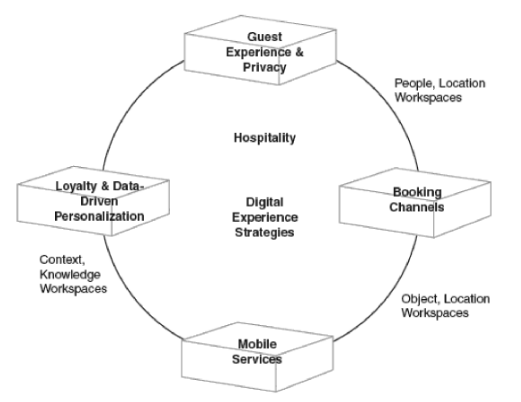
Service differentiation can be specified as the cornerstone of Hilton Hotels business strategy. Specifically, the company differentiates its services on the basis of quality, maintaining the highest level of standards and integrating IT systems into various aspects of service provision. Digital hospitality is one of the main sources of Hilton Hotels competitive advantage. As it is illustrated in Figure 1 below, the company’s digitalization efforts relate to booking channels, mobile services, loyalty and data driven-personalization, guest experience and privacy. Moreover, effective integration of these digitalization points creates additional synergetic impact for the business. Hilton Hotels and Resorts digital experience strategies capabilities[1] Hilton’s business strategy also relies on an extensive international expansion and the Hilton Worldwide added more than 100,000 rooms to its portfolio in 2015 alone, including 14,500 rooms converted from competitors’ brands and independent hotels.[2] It has to be noted that Hilton’s business strategy of an aggressive international business strategy and service differentiation with the focus on quality has resulted in the accumulation of USD10.5 billion debt, including USD726 million of non-recourse debt by the end of 2015.[3] This is because in order to sustain its business strategy, Hilton has to commit to substantial financial investments in a regular manner, despite the volatility of revenues caused by seasonal and cyclical nature of the business and a range of other factors. Hilton Hotels and Resorts may find it challenging to sustain its competitive advantages in short-term and long-term perspectives, since it can be copied by existing or new market players to threaten Hilton’s market share. Hilton Worldwide Holdings Inc. Report contains more detailed discussion of Hilton Hotels business strategy. The report also illustrates the application of the major analytical strategic frameworks in business studies such as SWOT, PESTEL, Porter’s Five Forces, Value Chain analysis and McKinsey 7S Model on Hilton.…
Corporate social responsibility (CSR) can be defined as “the obligation of decision makers to take actions which protect and improve the welfare of society as a whole along with their own interests” (Carroll and Buchholtz, 2008, p.39). CSR represents a critically important aspect of a successful business regardless of the industry. Hilton Worldwide has announced its commitment to continually improve its CSR performance in the following directions: Employees Impact on the local community Environment Responsible sourcing The program ‘Travel with Purpose’ launched in 2011 serves as a guiding principle behind Hilton CSR programs and initiatives. The company releases Global Responsibility Report annually and it includes the details of CSR programs and initiatives engaged by the company. The table below illustrates highlights from Hilton Worldwide 2014-2015 Corporate Responsibility Report: Categories of CSR activities Hilton Performance Supporting local communities October is a Global Month of Service for Hilton. In October 2015, teh company activated 4,145 volunteer projects worldwide resulting in 213,000 volunteer hours in 92 hours Nearly 200 Travel with Purpose Action Grants were awarded in 2015 to support Hilton properties and local communities Educating and empowering workers Hilton Worldwide University offered 2 million courses and 5 million hours of learning for employees in 2015 alone More than 14,000 Hilton managers attended its ethics and anti-corruption training in 2014 Labour and human rights The company achieved a maximum score of 100% on the Human Rights Campaign Foundation’s Corporate Equality Index Employee health and safety No information found Gender equality and minorities Women represent 51 per cent in Hilton’s US owned, managed and corporate locations Since 2013 Hilton employed more than 7,300 veterans and their spouses Environment a) energy consumption b) water consumption c) Waste reduction and recycling d) CO2 emissions Forbes has acknowledged Hilton as a Top 50 Green Brand and the…
Hilton Hotels segmentation, targeting and positioning refers to ways in which the company chooses individuals to sell its services to and positions the services to appeal to the needs and aspirations of these individuals in the best possible manner. The process of market segmentation involves dividing the market into segments or groups based on the characteristics from the specific market. In this way the most attractive or suitable segment based on the services and products can be targeted very effectively and efficiently. Generally, the market segmentation can be divided into four different groups – geographic, demographic, psychographic and benefit oriented. Geographic Segmentation Geographic segmentation involves targeting specific consumer groups according to their geographic locations in national and international levels. Hilton’s geographic segmentation strategy mainly focuses on building hotels on locations popular with the target customer segment. For example in London, Hilton hotels are found in popular business and travel locations such as Aldwych, Canary Wharf, Bankside, Tower Bridge and Trafalgar Square. Demographic Segmentation A set of variables used in demographic market segmentation include gender, life-cycle stage, age, income, social class, and lifestyle. From this perspective, Hilton targets customer segment represent middle and senior aged professionals with high level of income belonging to upper social class. Moreover, Hilton Hotels & Resorts mainly target individuals that pursue luxury lifestyle, and accordingly, the company charges premium prices for its products and services perceived to be of a relevant quality. Psychographic Segmentation Psychographic segmentation “goes beyond demographics as it examines how a person thinks, feels and behaves, using personality, lifestyle and values as segmenting variables”[1]. The nature of psychographic segmentation used by Hilton involves targeting ambitious individuals who would like to express their perceived high status and achievement by staying in five star rooms offered by the hotel at premium prices. Benefits…
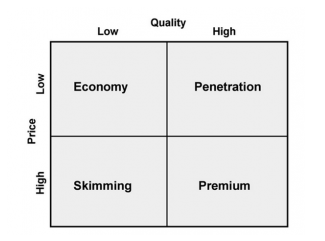
Hilton’s 7Ps of marketing comprises elements of Hilton Hotels marketing mix that consists of product, place, price, promotion, process, people and physical evidence. Product Element of Hilton Hotels Marketing Mix Hilton Hotels and Resorts can be classified as a full service hotel. Accordingly, the range of its services is extensive and includes meeting, wedding and banquet facilities and special event services, restaurants and lounges, food and beverage services, swimming pools, gift shops, retail facilities and other services. Generally, products are divided into three levels: core, facilitating and supporting products. Core products can be explained as a basic form of a product. To put it simply, core products are the main reasons for customers purchasing from a business. For Hilton Hotels & Resorts core product is hotel rooms that customers stay in for a specific period of time. Peripheral services can be explained as additional products and services above the core product that businesses offer to get competitive edge in the marketplace. Facilitating products involve services that assist consumers in consumption of core products. Hilton offers a set of popular facilitating products such as customer services, bars and restaurants, and online reservation facilities. Supporting products include additional products and services that are offered in order to obtain competitive advantage for the business by increasing the value of core products and services. A range of supporting products offered by Hilton Hotels include 24/7 room service, free newspapers and magazines for business travellers, concierge services etc. Augmented product is benefit offer made by businesses that consist of core product and peripheral services. Augmented products offered by Hilton Hotels & Resorts include membership discounts, luxurious room and exterior designs, high class restaurants and relaxed hotel atmosphere. Place Element of Hilton Hotels Marketing Mix The ultimate aim of the distribution strategy for a hotel firm can be specified as making available…
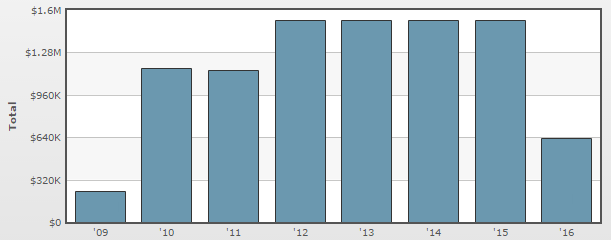
PESTEL is a strategic analytical tool that stands for political, economic, social, technological, environmental and legal factors. Hilton Hotels PESTEL analysis involves the analysis of potential effect of these factors on Hilton’s revenues and its long-term growth prospects. The following is a brief Hilton PESTEL analysis for the UK market in particular. Political Factors Political stability is a basic requirement to success regardless of the industry. In hotel industry in particular, political factors can influence the number visitors, both, tourists and business travellers’ visits to a country in direct and indirect ways. For example, an ongoing delicate political situation Northern Ireland may discourage potential visitors to the region due to safety concerns. Moreover, following acts of terrorism in London on July 7, 2005, UK was temporarily branded as a place that accommodated a set of extremist religious organizations. Risks or threats of acts of terrorism are most likely to reduce the numbers of visitors to London and UK with negative impacts on Hilton performance in this particular market. Hilton Worldwide actively engages in lobbying in order to be able to influence certain political factors upon the business to a certain extent. As it is illustrated in the figure below, the company has been spending more than USD 1.5 million during the past four years for lobbying purposes. Annual lobbying budget of Hilton Worldwide[1] Economic Factors National and international macroeconomic situation and factors and events impacting the situation are major factors affecting Hilton Hotels & Resorts business. For example, during the Olympic times in the UK in 2012 most of the hotels were occupied and booked fully for the whole period. However, the situation was completely different once the Olympic Games were over. Moreover, as a direct result of the global economic and financial crisis of 2007 – 2009, same hotel sales…